
Lymphedema management
Standard Breast Surgery involves not only removal of the Breast tissue but also removal of all the lymphnodes and lymphatics in the armpit.
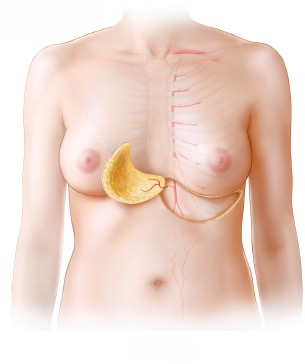
These lymphatics normally would drain the upperlimb preventing buildup of fluid.
Lymphedema is a common condition that can occur after breast cancer surgery, particularly if lymph nodes have been removed or damaged during the treatment. It involves the buildup of lymphatic fluid, causing swelling, typically in the arm, hand, or chest on the side where the surgery was performed. Managing lymphedema is crucial to prevent further complications, discomfort, and improve quality of life.
The breast specialist nurses at Hyderabad Breast Clinics would explain to the patient methods of early identification by periodic measurements of the arm. By the time patient experiences symptoms in the form of Heaviness and dragging pain, the disease would be advanced. The skin becomes thick and forms folds causing skin maceration. Hence we believe prevention and education of the patient is better and more effective.
Key Approaches for Lymphedema Management:

MLD is a specialized form of massage therapy designed to stimulate the flow of lymph fluid and reduce swelling. This technique involves:
- Gentle, rhythmic massage strokes: Trained therapists move the lymph fluid away from the affected area toward areas where the lymphatic system is functioning properly.
- Home practice: Patients may also be trained to perform self-MLD to maintain the benefits between sessions.
Compression garments or bandaging are essential tools in managing lymphedema. They help by applying consistent pressure, which prevents fluid from accumulating and encourages the flow of lymphatic fluid.
- Compression sleeves or gloves: Specially designed garments are worn on the arm or hand to maintain pressure.
- Compression bandaging: Multi-layered bandages are often applied by healthcare providers after an MLD session to maintain fluid movement.
- Night garments: Some patients wear specialized compression garments at night to manage lymphedema during sleep.
Exercise, particularly gentle, controlled movements, can help stimulate the lymphatic system and reduce swelling. Physical therapy focuses on improving mobility and preventing stiffness while also managing fluid buildup.
- Stretching and Strengthening Exercises: Designed to help the muscles pump lymph fluid, improve flexibility, and maintain arm function.
- Aquatic Therapy: Water-based exercises are beneficial for lymphedema, as the pressure of the water provides natural compression, aiding lymphatic flow.
- Deep Breathing Exercises: Deep breathing stimulates the thoracic duct, a major part of the lymphatic system, helping to move lymph fluid throughout the body.
Lymphedema increases the risk of infections like cellulitis, as the immune system’s defenses are compromised in the affected area. Proper skin care is essential to prevent infections:
- Moisturize regularly: Keeping the skin soft and hydrated reduces the risk of cracks and infections.
- Avoid injury: Protect the affected arm from cuts, scratches, burns, or insect bites, as these can lead to infections.
- Proper wound care: If there is a cut or injury, clean it immediately and apply antibiotic ointment to prevent infection.
Maintaining a healthy weight is important in managing lymphedema, as excess body fat can impede lymphatic drainage and worsen symptoms.
- Balanced diet: A diet rich in fruits, vegetables, lean proteins, and whole grains supports overall health and weight management.
- Hydration: Staying well-hydrated helps to maintain lymph fluid balance in the body.
- Regular physical activity: Aerobic exercise, such as walking or swimming, improves circulation and lymphatic flow while helping to manage body weight.
Pneumatic compression pumps are devices used at home to manage lymphedema. They consist of inflatable sleeves that go over the arm or leg and are attached to a pump. The pump inflates and deflates the sleeve in cycles, helping to move lymph fluid and reduce swelling. These devices are particularly useful for patients with more severe lymphedema or those who cannot access regular manual lymphatic drainage.
In cases where lymphedema does not respond well to conservative treatments, surgical options may be considered. Surgical techniques include:
- Lymphaticovenous anastomosis (LVA): A procedure where lymphatic vessels are connected to nearby veins, allowing lymph fluid to bypass blocked areas.
- Vascularized lymph node transfer (VLNT): This involves transferring healthy lymph nodes from other parts of the body to the area with lymphedema to help reestablish lymphatic drainage.
- Debulking surgery: In extreme cases, surgery to remove excess tissue from the affected area may be necessary to reduce the size of the limb.
Patients with lymphedema should be mindful of factors that can exacerbate the condition. Common triggers include:
- Heat and cold extremes: Avoid hot tubs, saunas, and excessive sun exposure, as heat can increase swelling. Similarly, avoid cold extremes that can constrict blood vessels and hinder lymphatic flow.
- Heavy lifting or strain: Avoid lifting heavy objects or performing activities that put excessive strain on the affected arm, as this can worsen symptoms.
- Travel precautions: Long flights or car trips can increase the risk of lymphedema flare-ups. Wearing a compression sleeve during travel and performing gentle exercises can help.
Psychological Support:
Living with lymphedema can be emotionally challenging. Patients may experience frustration, anxiety, or self-consciousness about the swelling and the necessary lifestyle changes. Psychological counseling, support groups, or joining lymphedema-focused communities can help provide emotional support and coping strategies.
