
Breast Self Examination
Breast Self-Examination (BSE) is an important way for individuals to check their breasts for any unusual changes, which can help in the early detection of breast cancer or other issues.
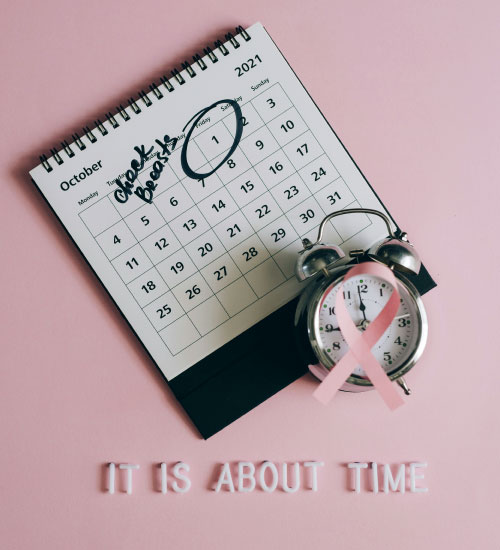
BSE is a simple method that could be done and should be done by all women above the age of 21. It is a systematic method by which the lady learns how are breasts feel and what is normal for her body.
It needs to be done on a specific day after mensturation so as to ensure breasts are soft, free of influence of hormones( which cause breasts to be heavy, tender and turgid) so that the lady could feel the tissues inside the skin.
1. Understand What You’re Looking For
- Normal Changes: Breasts often feel different throughout the menstrual cycle due to hormonal fluctuations.
- Abnormal Signs: Look for lumps, thickening, changes in size, shape, or skin texture (e.g., dimpling or puckering). Watch for changes in the nipples, such as inversion, discharge, or redness. Link to Know your lemons
2. Choose the Right Time
- For menstruating individuals, perform the exam about 3-5 days after your period ends when the breasts are least tender and less water logged.
- If you’re postmenopausal, pick a consistent day each month.
3. Perform the Exam
In Front of a Mirror
- Stand topless and look at your breasts with your arms at your sides.
- Raise your arms above your head and look for any changes in contour, swelling, or dimpling.
- Place your hands on your hips, press firmly to flex your chest muscles, and check for asymmetry or puckering.
In the Shower
- Use the pads of your fingers to feel each breast while the skin is wet and slippery.
- Move in a circular pattern, up-and-down lines, or wedge shapes, covering the entire breast and armpit area.
Lying Down
- Lie flat on your back with a pillow under your right shoulder and your right arm behind your head.
- Use your left hand to examine your right breast using gentle but firm pressure. Repeat on the other side.
4. Cover All Areas
- Use a systematic approach to ensure you examine the entire breast and armpit, including the area up to the collarbone.
5. When to Seek Medical Advice
Contact a healthcare provider if you notice:
- A new lump or mass (especially if it’s hard and immovable).
- Persistent breast pain or swelling.
- Changes in skin texture (e.g., dimpling or orange peel appearance).
- Unexplained nipple discharge, especially if bloody.
- Changes in nipple position or appearance.
